The Gemports Transaction Index (GTI) serves as the benchmark for the colored gemstone market, specifically tracking Ruby and Sapphire activity. Far beyond a simple price tracker, its methodology deeply integrates market transaction data by rigorously factoring in price movement and trade volume across key characteristics like size, quality, treatment and origin. This makes the GTI an essential and powerful tool for industry stakeholders, providing a holistic outlook on market trends, liquidity, and stone availability for planning and investment.

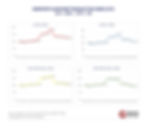
Gemports Sapphire Transaction Index (GTI) Q2 2026

GEMPORTS Press Release, July 2026: In Q2 2026, the global sapphire market showed early signs of stabilization even as the Sapphire Gemports Transaction Index (GTI) registered a further quarter-on-quarter (QoQ) decline across most origin-treatment-size segments. Large-carat sapphires of 10 to 20 carats and above posted price gains of approximately 5% QoQ, the first meaningful improvement since the correction began in Q3 2025. However, trading volume in the 1-10 carat range continued to outweigh large-carat activity, so the volume-weighted GTI still moved lower overall despite the improvement at the top of the market.
The renewed price support was driven less by a recovery in end-consumer demand and more by capital rotation: participants from the gold trade and other tangible-asset markets have increasingly entered colored gemstone trading, providing fresh liquidity that helped prices stabilize or edge modestly higher in several segments. Underlying jewelry consumption has not yet meaningfully recovered, leaving the market's foundation still fragile even as headline prices in the large-carat tier firmed.
Sapphire Investment Outlook
The investment case for elite sapphires — defined as natural, unheated stones of 10+ carats with vivid or intense blue color ("Royal Blue" or "Cornflower Blue"), eye-clean clarity, and excellent cut — improved modestly in Q2 2026 after the sharp demand freeze of Q1. Three dynamics defined the quarter:
• Capital rotation into gemstones: A growing number of gold and alternative-asset traders diversified into sapphire and colored gemstone trading during Q2, adding fresh liquidity to the market. This inflow helped prices stabilize or tick modestly higher across several tiers, even though retail jewelry demand had not yet meaningfully recovered.
• Large-carat price recovery, moderate volume: Natural and heated sapphires in the 10-20 ct categories advanced approximately 5% QoQ, the first broad-based gain since Q2 2025. However, the number of large-carat transactions remained materially smaller than the volume of 1-10 carat trades, limiting the gain's influence on the headline index.
• Index still volume-weighted lower: Because the GTI weights transaction volume as well as price, and because 1-10 carat sapphires continued to dominate trading activity, the index posted a further QoQ decline overall even as large-carat prices improved — underscoring that broad demand recovery, not just top-tier price firmness, is required for a sustained index turnaround.

Q2 2026 Sapphire GTI Highlights
Nature Sapphire
Sri Lanka: −1.5% QoQ (prev. −6.1%) | -32.6% YoY (prev. -17.5%)
Africa & Other Sources: −0.9% QoQ (prev. −6.1%) | −34.6% YoY (prev. −29.9%)
Heated Sapphire
Sri Lanka: −1.8% QoQ (prev. −11.8%) | -34.9% YoY (prev. -22.5%)
Africa & Other Sources: −1.0% QoQ (prev. −12.0%) | −35.6% YoY (prev. −33.1%)
Q2 2026 Market Overview
Capital Rotation Provides Price Support
• Q2 2026 marked a shift in the character of sapphire demand. Rather than a recovery led by jewelry consumers, price support came increasingly from traders and investors previously focused on gold and other tangible assets who diversified into colored gemstones. This capital rotation helped stabilize prices across several segments and lifted large-carat categories by roughly 5% QoQ, even though retail-driven demand remained soft.
Volume Imbalance Kept the Headline Index Negative
• Despite the large-carat price improvement, transaction volume in the 1-10 carat range remained substantially higher than in the 10+ carat tier. Because the GTI incorporates trade volume alongside price movement, the strength at the top of the market was not enough to offset continued softness in the higher-volume commercial and mid-size categories, and the overall index declined further on a QoQ basis.
Commercial-Grade Segment: Decline Decelerating
Sub-5 ct sapphires from both Sri Lanka and Africa continued to see price pressure in Q2, but the pace of decline slowed noticeably compared with Q1's sharp correction, consistent with the stabilizing effect of new capital inflows into the broader gemstone trade.

Q3 2026 Market Outlook
Three key themes will shape the sapphire market in Q3 2026:
1. Gold Price Direction as a Swing Factor: Should gold prices continue to soften, capital that rotated into sapphires during Q2 as an alternative store of value could either deepen its commitment — reinforcing price support — or partially reverse if gold regains appeal. The direction of gold prices through Q3 will be an important signal for sapphire liquidity.
2. Geopolitical Easing Could Unlock Broader Participation: A further easing of US-Iran tensions would likely reduce the risk premium that suppressed cross-border transactions in early 2026, potentially encouraging the return of high-net-worth collectors and wealth managers who deferred acquisitions during the standoff.
3. Consumption Recovery Against Constrained Supply: Early signs point to improving consumer sentiment in key markets. Should retail demand recover in Q3 while mine output of large, unheated material remains structurally limited, the combination could support renewed price appreciation across both commercial and investment-grade tiers.
Strategic Recommendation: Continue prioritizing certified, natural, large-carat Sri Lankan sapphires with documented provenance, while monitoring gold price trends and geopolitical developments as leading indicators for a broader demand recovery.